
Treasure Island, Florida
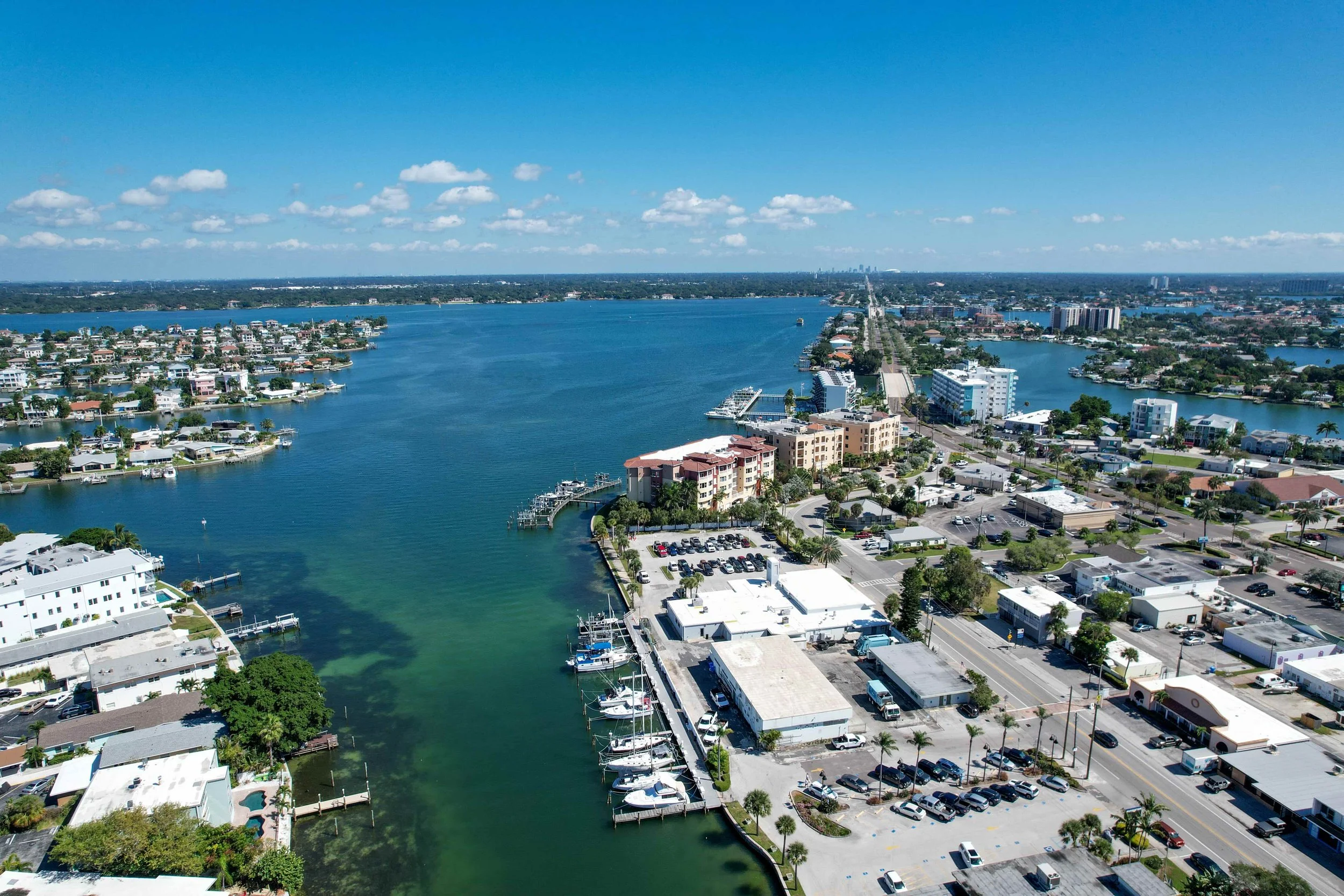
A storied Gulf Coast barrier island with 4 miles of white-sand beach, a walkable village core, and a full-time community that has called this stretch of shoreline home for generations.
AT A GLANCE
Location Pinellas County, FL — barrier island on the Gulf of Mexico, between Madeira Beach (north) and St. Pete Beach (south)
Population Approx. 7,000 residents
Median Age 62 years
Housing Mix 75% owner-occupied / 25% renter-occupied
Character Compact island city with distinct neighborhoods, full-time resident base, and Gulf-front lifestyle
Known For Treasure Island Beach, annual sandcastle competition, Sunset Beach, Isle of Capri and Paradise Island subdivisions
Nearest Airport St. Pete/Clearwater International (~25 minutes); Tampa International (~40 minutes)
Mean Elevation 7 feet above sea level (NOAA)
Market Data See current Treasure Island Market Report →
Welcome to Treasure Island
Treasure Island sits at the center of the Pinellas County barrier island chain, tucked between Madeira Beach to the north and St. Pete Beach to the south. It’s a city of roughly 7,000 permanent residents living across a narrow strip of Gulf-front land where the average elevation is just 7 feet above sea level — a geography that defines both the appeal and the practical realities of island life here.
Unlike some of its neighbors, Treasure Island is unmistakably a community first and a tourist destination second. The 75% owner-occupancy rate is among the highest on the barrier island chain, and the median age of 62 reflects a resident base that has made deliberate, long-term choices to live on this particular stretch of Gulf Coast. Many residents have owned their homes for decades. The result is a place with a genuine sense of permanence and identity — something increasingly rare on Florida’s most sought-after shorelines.
Neighborhoods & Character: Isle of Capri to Sunset Beach
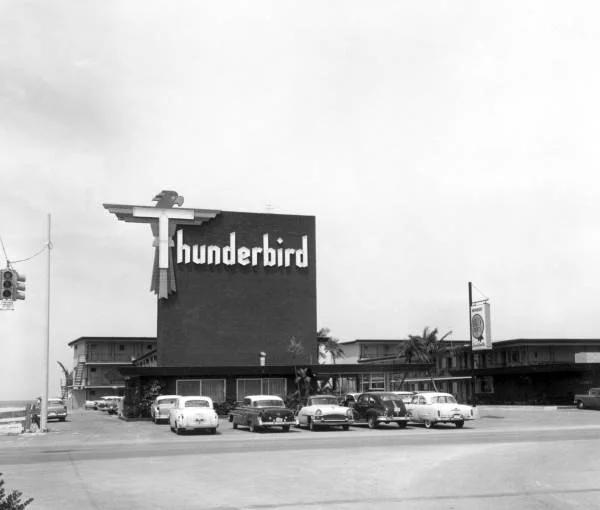
Treasure Island’s residential geography divides naturally into a handful of distinct neighborhoods, each with its own character. Isle of Capri, along the Intracoastal Waterway, is a network of canals with boat docks and direct Gulf access — a favorite of boaters and fishing enthusiasts. Isle of Palms, just south, offers a similar waterfront configuration with a mix of mid-century and newer construction. Paradise Island, the northernmost section near Madeira Beach, features larger lots and a slightly quieter feel. Yacht Club Estates, in the southern portion of the city, draws buyers who want deep-water boat slips alongside Gulf proximity.
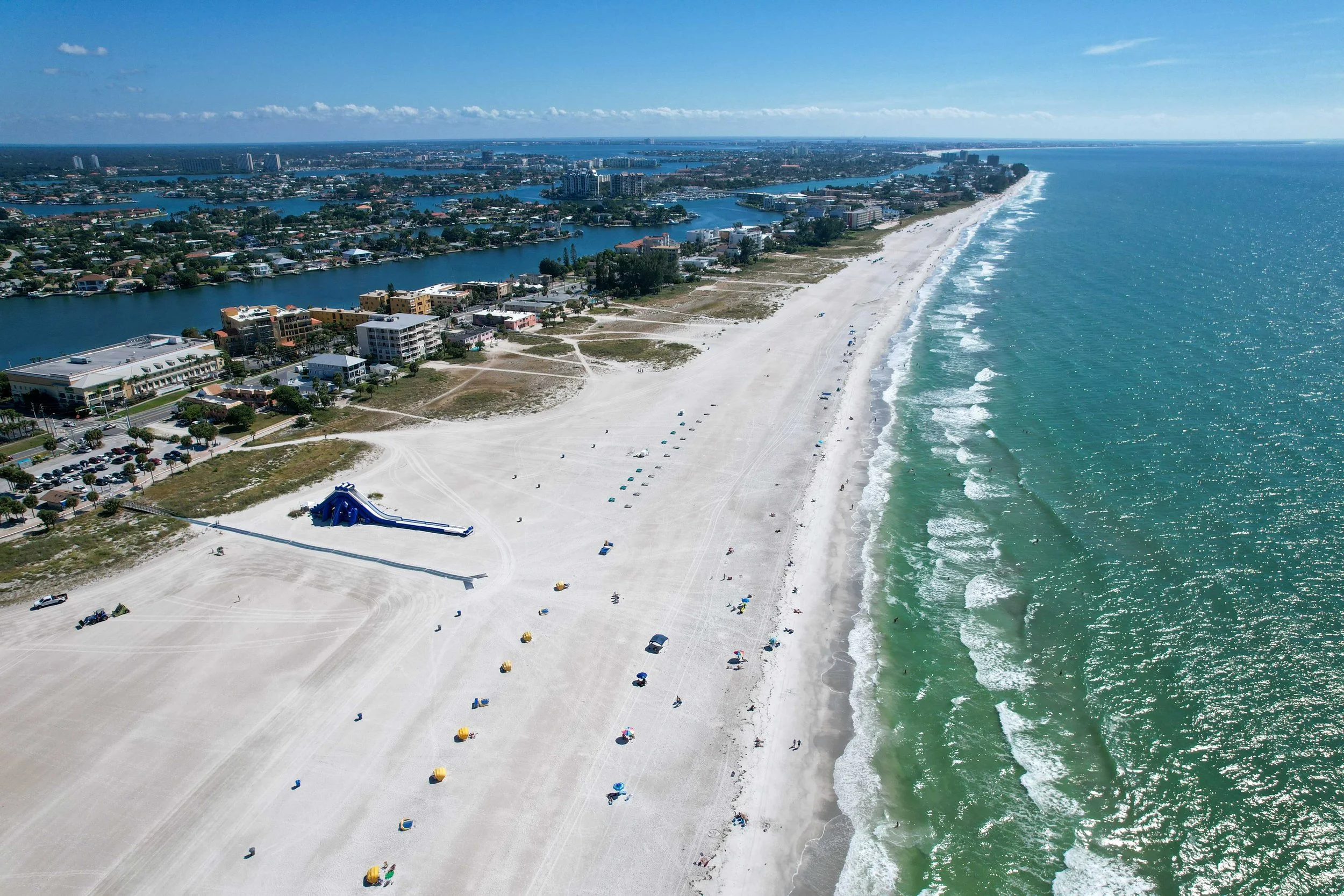
Treasure Island Beach itself — the namesake stretch of white quartz sand that runs the western edge of the island — is one of the quieter Gulf beaches in Pinellas County relative to Clearwater Beach’s commercial intensity. The beach draws visitors but doesn’t overwhelm the surrounding residential streets, and the annual American Sand Sculpting Championship draws a loyal crowd each fall. Sunset Beach, at the southern tip, is a particularly coveted address: a low-density pocket with larger Gulf-front parcels and views of both open water and St. Pete Beach.
Lifestyle: Waterfront Living at a Human Scale
Life on Treasure Island centers on the water. Residents keep boats in canal-front slips, cycle to the beach on quiet island streets, and walk to a compact commercial corridor on Gulf Boulevard that includes local restaurants, fishing-gear shops, and the kinds of places that have been there for thirty years and intend to stay. The island has resisted the full-scale commercial development that has transformed some of its neighbors, a choice that reflects both its geography and the preferences of its long-tenured resident base.
The community’s demographics reflect a well-educated, financially established population. Per capita income of $84,942 and a median household income of $82,340 sit above most of the Pinellas County barrier island chain. Education levels are notably high: 34.4% of residents hold a bachelor’s degree and 16.7% hold a graduate or professional degree — both materially above county averages. Top employment sectors include Finance & Insurance, Professional/Scientific/Technical Services, and Health Care — fields that skew toward remote-capable professionals who can afford to put their home office on a barrier island.
Housing Stock: Vintage Florida Alongside Post-Storm Rebuilds
With a median home age of 48 years, Treasure Island’s housing stock is firmly mid-century in character. Ranch-style concrete block homes, canal-front properties with original terrazzo floors, and elevated Gulf-view cottages from the 1960s and ’70s define the prevailing architecture. This vintage presents both appeal and practical considerations: older construction pre-dates modern hurricane codes and current FEMA Base Flood Elevation requirements, which means many homes require significant investment to bring into compliance with current standards — or carry elevated flood insurance premiums as a result of sitting below current BFE thresholds.
Post-storm rebuilds are increasingly common, particularly on lots where Hurricanes Helene and Milton in fall 2024 triggered FEMA’s Substantial Damage determination. New construction on Treasure Island tends toward elevated, FORTIFIED-construction homes built to current wind and flood codes — a meaningfully different risk profile than the vintage structure on the adjacent lot. Buyers should understand which category a given property falls into before underwriting the purchase.
Flood Zone & Insurance: What to Know Before You Buy
Virtually all residential property on Treasure Island lies within FEMA Special Flood Hazard Areas (SFHA). The island spans both Zone AE (base 100-year floodplain, no wave action component) and Zone VE (coastal high-hazard, with wave action) along the Gulf-front strip. NFIP annual premiums in Zone AE typically range from $1,200–$2,400 for adequately elevated structures; Zone VE properties can carry NFIP premiums of $3,500–$15,000+ depending on construction type, elevation relative to BFE, and policy limits. Private flood insurance alternatives have become more widely available post-storm, and for well-elevated structures, private markets may offer competitive pricing relative to NFIP. An elevation certificate is not optional on Treasure Island — it is the document that determines whether flood insurance is affordable or not.
The current Treasure Island Market Report addresses active post-hurricane conditions, recent substantial-damage determinations, and their effect on the local transaction landscape. If you’re evaluating a specific property, always obtain a current elevation certificate and at least two insurance quotes before making an offer. This is not optional advice.
Economy & Employment
Treasure Island is a bedroom and retirement community, not an employment center. The island’s top industries by resident employment — Finance & Insurance, Professional/Scientific/Technical Services, and Health Care — reflect a population that largely commutes to the mainland or works remotely. The relatively high per capita income ($84,942) and household income ($82,340) indicate a community that has selected for financial stability. Residents are not dependent on local island employment; they’ve chosen the island as a lifestyle destination and organized their professional lives around the ability to stay here.
The tourism and short-term rental economy does exist on Treasure Island — there are beachfront motels, vacation cottages, and a meaningful Airbnb/VRBO inventory — but the 75% owner-occupancy rate means the island’s economic character is more defined by its full-time residents than by its transient visitors. That balance has been a deliberate choice by the community, and it distinguishes Treasure Island from some of its more resort-oriented neighbors.
Hurricanes Helene & Milton: Recovery in Progress
Treasure Island sustained significant flooding from Hurricane Helene on September 26, 2024, and compounding damage from Hurricane Milton on October 9, 2024. Both storms moved through Pinellas County’s most vulnerable geography — low-elevation barrier islands with limited surge protection — and Treasure Island’s 7-foot mean elevation left much of the residential stock exposed to inundation. Pinellas County received a federal disaster declaration for both storms (FEMA DR-4828-FL and DR-4834-FL) and was allocated $813.8 million in CDBG-DR federal recovery funding, the largest county-level disaster recovery award in the state.
Recovery on Treasure Island has followed two tracks. Properties that sustained damage below FEMA’s 50% Substantial Damage threshold have been repaired and returned to market. Properties that exceeded the threshold face the choice of full-code reconstruction — which means meeting current elevation and wind-load requirements — or sale to developers and builders who will redevelop the lots to current standards. Both paths are visible in the Q1 2026 market data, and the interplay between distressed lot sales and stabilized property transactions shapes the statistical picture in ways that require careful interpretation.
📊 Explore the current Treasure Island, FL Real Estate Market Report for Q1 2026 data, pricing trends, inventory analysis, and what the post-storm market means for buyers and sellers on this barrier island. → Read the Treasure Island Market Report