
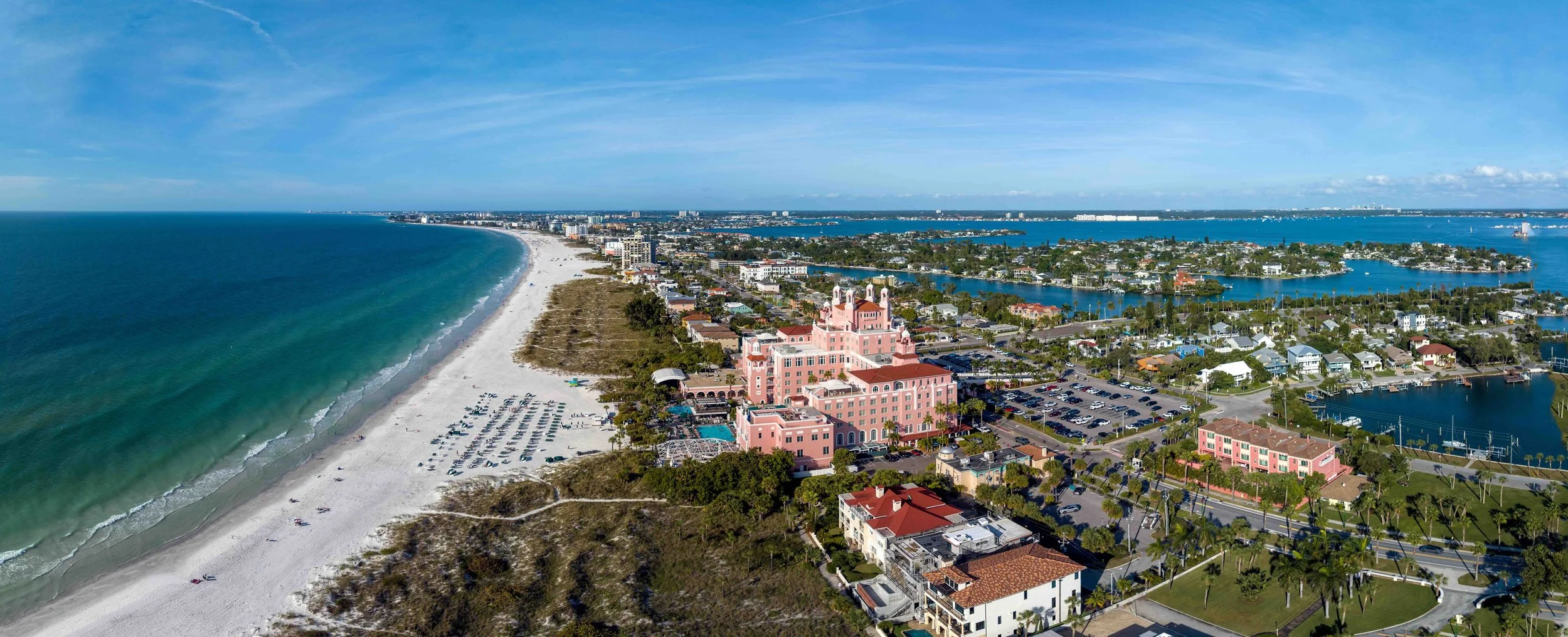
St. Pete Beach, Florida
A pink hotel on the Gulf, a historic fishing village at the tip, and a community with more personality than most.
AT A GLANCE
Location Pinellas County, FL — southern anchor of the barrier island chain; adjacent to Tierra Verde and St. Petersburg
Population Approx. 9,000 residents (U.S. Census) — the largest of the smaller Gulf Coast barrier island communities
Median Age 62 years
Housing Mix 75% owner-occupied / 25% renter-occupied
Character Diverse community with resort hotel presence, historic district, and established residential neighborhoods
Known For The Don Cesár Hotel (1928); Pass-a-Grille Historic District (National Register); Boca Ciega Bay access
Per Capita Income $93,476 — highest among the communities in this corridor
Nearest City St. Petersburg (~15 minutes east via I-275 / Pinellas Bayway)
Nearest Airport Tampa International (~25 minutes via I-275); St. Pete/Clearwater International (~30 minutes)
Market Data See current St. Pete Beach Market Report →
Welcome to St. Pete Beach
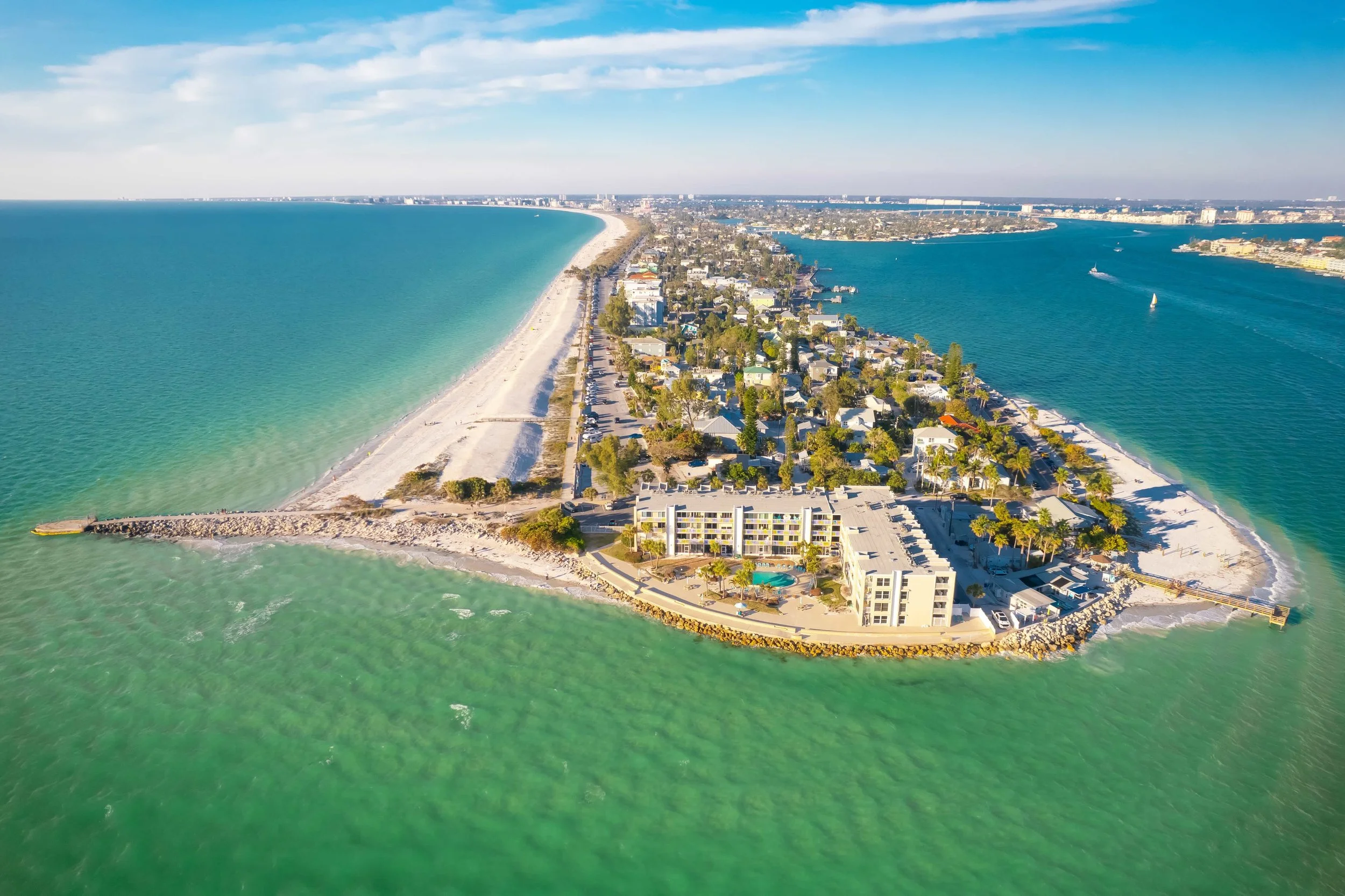
At the southern end of the Pinellas barrier island chain sits a community that contains, within its roughly 9,000 residents and several square miles of barrier island, more distinct identities than most places ten times its size. There is the international landmark — the Don Cesár, the flamingo-pink Jazz Age hotel that opened in 1928 and has stood watch over St. Pete Beach since before the community had its current name. There is the National Historic District at Pass-a-Grille, the original settlement at the island’s southern tip, with 354 historic structures and a bungalow character that predates the automobile. And there is the residential community that exists between and around these landmarks — established, educated, and considerably wealthier than its position near the end of the barrier island might suggest.
At roughly 9,000 residents, St. Pete Beach is the largest of the smaller Gulf Coast barrier island communities — bigger than Madeira Beach, significantly larger than Indian Shores or Redington Beach. The per capita income of $93,476 is the highest among the eight communities in this corridor. Graduate and professional degree holders make up nearly 26% of the resident population. The community consistently draws buyers and residents who want something more than a quiet residential enclave, without giving up the proximity to the Gulf that barrier island living provides.
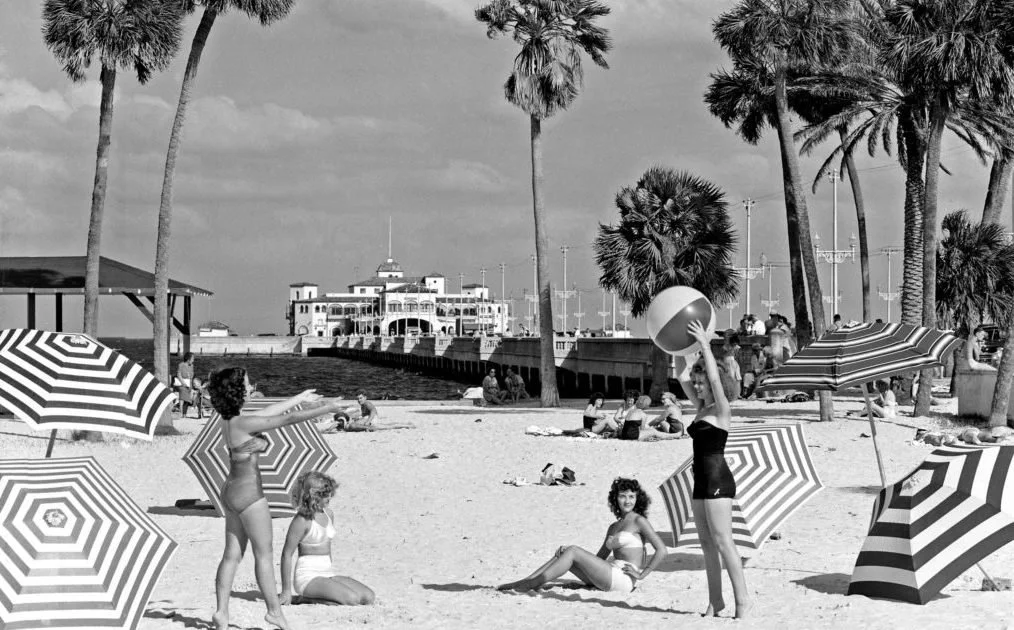
The Pink Palace and Pass-a-Grille
Pass-a-Grille — the neighborhood at the very southern tip of the barrier island — was settled in 1886 by homesteader Zephaniah Phillips. By the turn of the century, it had a hotel and a ferry boat service from Gulfport. By 1914, the area was accessible by regular transportation, and by the 1920s it had become a destination for Tampa Bay’s wealthy residents. The three original communities on the island — Pass-a-Grille, Belle Vista, and St. Petersburg Beach — merged to form the modern City of St. Pete Beach in 1957. A section of Pass-a-Grille was declared a National Historic District in 1989; an expansion in 2003 brought the total to 354 historic structures.
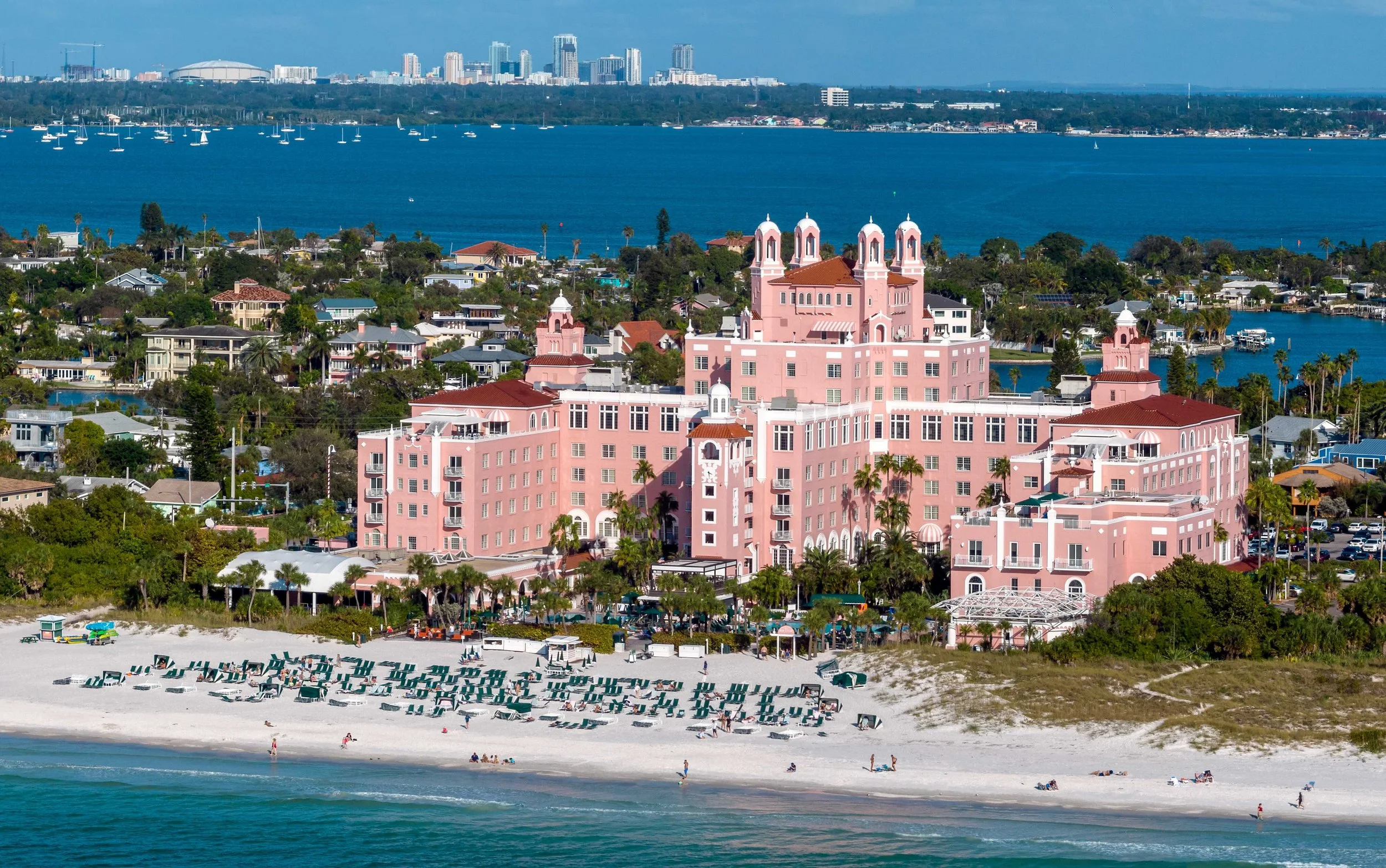
The Don Cesár opened on January 16, 1928, with a party that drew the elite of Tampa and St. Petersburg. Developer Thomas Rowe had built what he called his "Pink Lady" — a Mediterranean Revival landmark of Moorish towers and stucco in a shade of pink that has never quite been duplicated. The hotel became the Gulf playground of the Jazz Age, hosting F. Scott Fitzgerald, Clarence Darrow, Al Capone, Lou Gehrig, and Franklin D. Roosevelt in its early years. The war years intervened: the Army used the building as a hospital, then a records warehouse. By the 1960s the property had deteriorated significantly. A citizen-led "Save the Don" campaign ultimately rescued it in 1972. The hotel has operated continuously since as one of the most recognized landmarks on the Gulf Coast.
What Life Here Looks Like
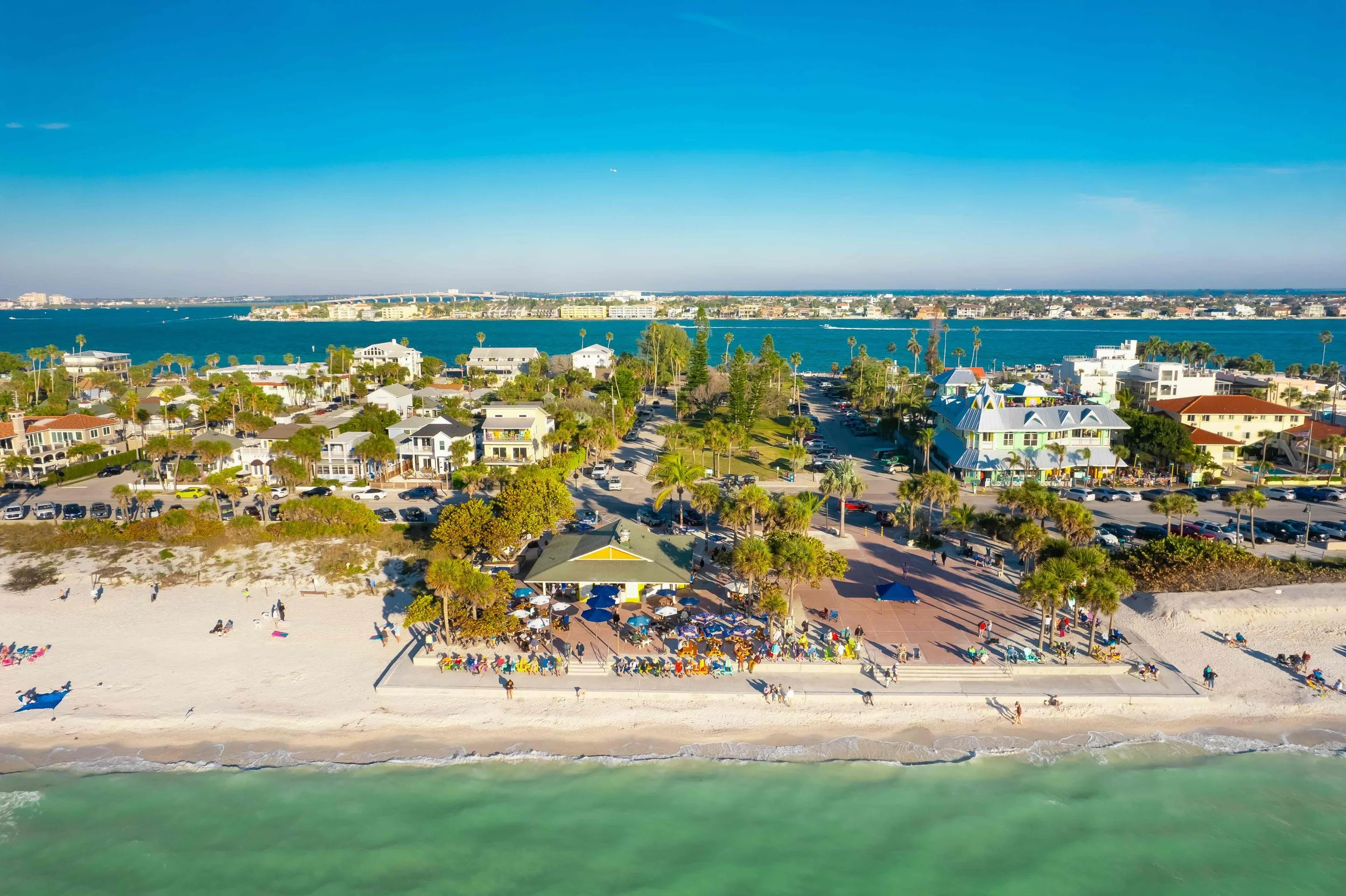
St. Pete Beach operates at a different scale than the smaller Redington and Indian Shores communities to the north. There are restaurants, bars, shops, and commercial corridors along Gulf Boulevard and the surrounding streets. The Don Cesár provides a resort hotel presence that brings a steady stream of visitors and an elevated dining and event infrastructure that most barrier island communities don’t have. Pass-a-Grille, for its part, operates on an entirely different register — quiet, bungalow-scale, with no condo towers and a walkability that feels genuinely like the early twentieth century, which is partly because much of it still looks like the early twentieth century.
The resident community spans a fairly broad demographic range compared to the more homogeneous profiles of neighboring smaller communities. The median age of 62 is consistent with the broader barrier island corridor’s older character, but the 18-to-54 population is meaningfully larger here than in Redington Beach or Indian Shores. The rental proportion — 25% of households — is higher than most barrier island neighbors, reflecting the more active short-term rental market that a destination community with a landmark hotel tends to support.
Access to St. Petersburg via the Pinellas Bayway makes St. Pete Beach the most connected of the Gulf barrier island communities for residents who work or spend time in the city. Approximately 36% of workers commute in under 15 minutes — the highest short-commute proportion along the barrier island chain, a direct benefit of the Bayway connection.
Geography & Location
St. Pete Beach occupies the southern portion of the Pinellas barrier island chain, from roughly the Treasure Island border in the north to the Pass-a-Grille channel at the southern tip. Boca Ciega Bay forms the eastern boundary, providing bay-front access and water views for many residential properties. The Pinellas Bayway (SR 682) connects the community to mainland St. Petersburg and I-275 to the east, making Tampa accessible in roughly 25 minutes and downtown St. Petersburg in about 15. Elevation averages approximately 2 feet above sea level — the lowest in the corridor — which has direct implications for flood exposure.
Flood Zone & Insurance: What to Know Before You Buy
St. Pete Beach sits at an average elevation of approximately 2 feet above sea level — the lowest of all communities in this corridor — and carries the highest relative flood exposure as a result. Virtually all properties in the community fall within FEMA Special Flood Hazard Area (SFHA) designations. Waterfront properties on both the Gulf and Boca Ciega Bay sides carry the highest risk classifications. The community experienced significant storm surge damage from Hurricanes Helene and Milton in 2024. Flood insurance is required for any property with a federally backed mortgage in SFHA zones, and both NFIP and private market premiums have increased substantially. A Brownfield site designation (present in the RPR Quality of Life data) indicates contaminated or underutilized land in the community — buyers evaluating specific properties should confirm they are not within or adjacent to designated Brownfield areas. Elevation certificates are essential for any purchase here.
The current St. Pete Beach Market Report addresses active post-hurricane conditions, recent substantial-damage determinations, and their effect on the local transaction landscape. If you’re evaluating a specific property, always obtain a current elevation certificate and at least two insurance quotes before making an offer. This is not optional advice.
📊 Ready to go deeper? The St. Pete Beach Market Report covers current inventory, median pricing, buyer/seller market conditions, and hurricane-recovery context with data sourced directly from RPR and Pinellas County public records. Updated quarterly. → Read the St. Pete Beach Market Report