
Indian Shores, Florida
One square mile. One seabird sanctuary. Zero reasons to rush.
AT A GLANCE
Location Pinellas County, FL — barrier island between Indian Rocks Beach and Redington Shores
Population Approx. 1,400 residents (U.S. Census)
Median Age ~65 years — among the oldest median ages in the Pinellas barrier island corridor
Housing Mix ~77% owner-occupied / ~23% renter-occupied
Character Ultra-quiet residential enclave; conservation-minded community identity
Known For Seaside Seabird Sanctuary (formerly Suncoast Seabird Sanctuary, est. 1971); no commercial strip
Nearest Cities Indian Rocks Beach (~5 minutes north); Madeira Beach (~10 minutes south)
Nearest Airport St. Pete/Clearwater International (~20 minutes); Tampa International (~35 minutes)
Market Data See current Indian Shores Market Report →
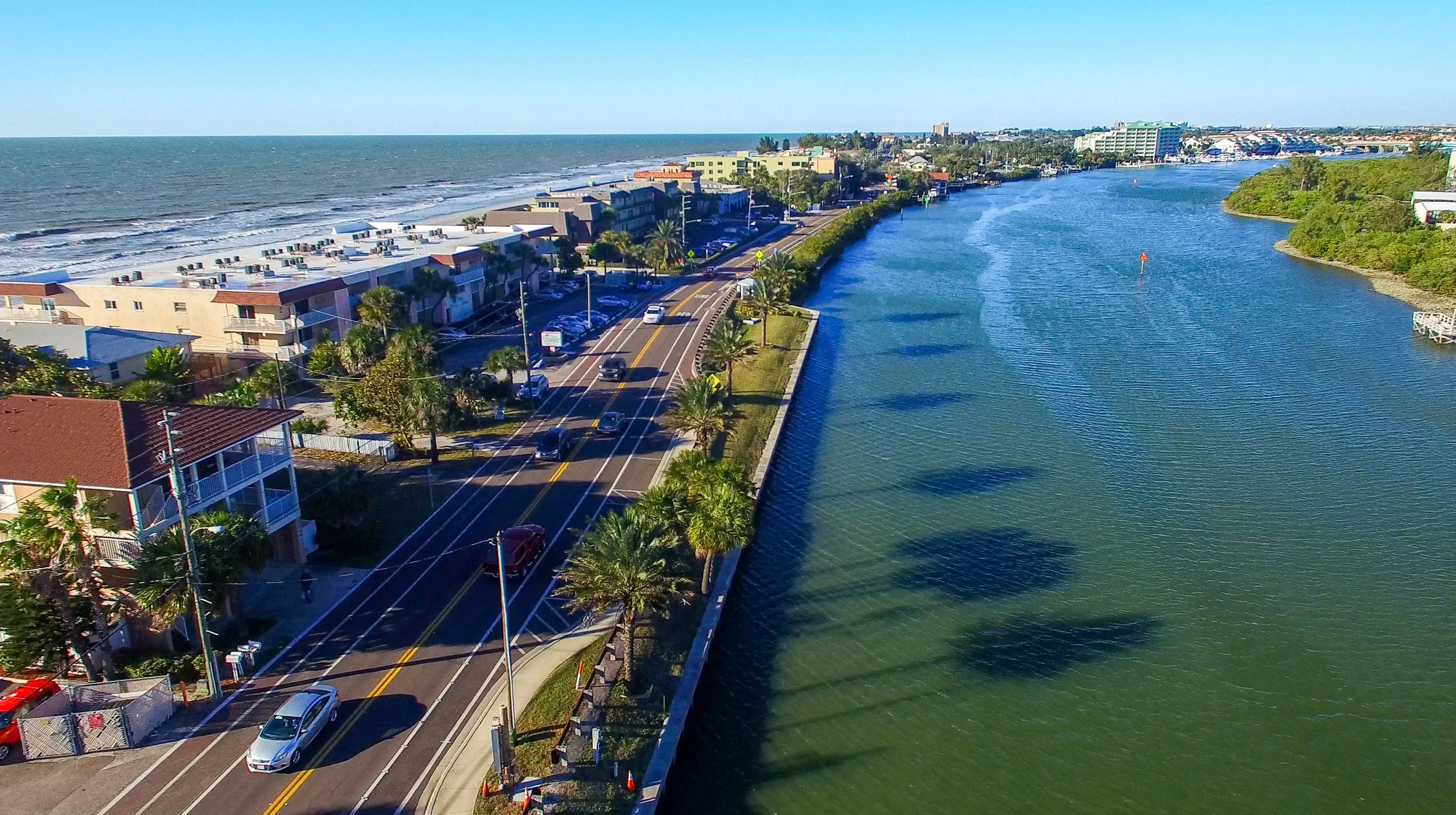
If the Pinellas barrier island chain is a long sentence, Indian Shores is the comma in the middle — brief, easy to miss, and structurally important. Roughly one square mile of barrier island, approximately 1,400 full-time residents, and a community identity built more around what isn’t here (commercial development, high-density housing, transient traffic) than what is. What is here is a seabird sanctuary with a fifty-year history and Gulf access that residents guard with the particular vigilance of people who found what they were looking for and intend to keep it.
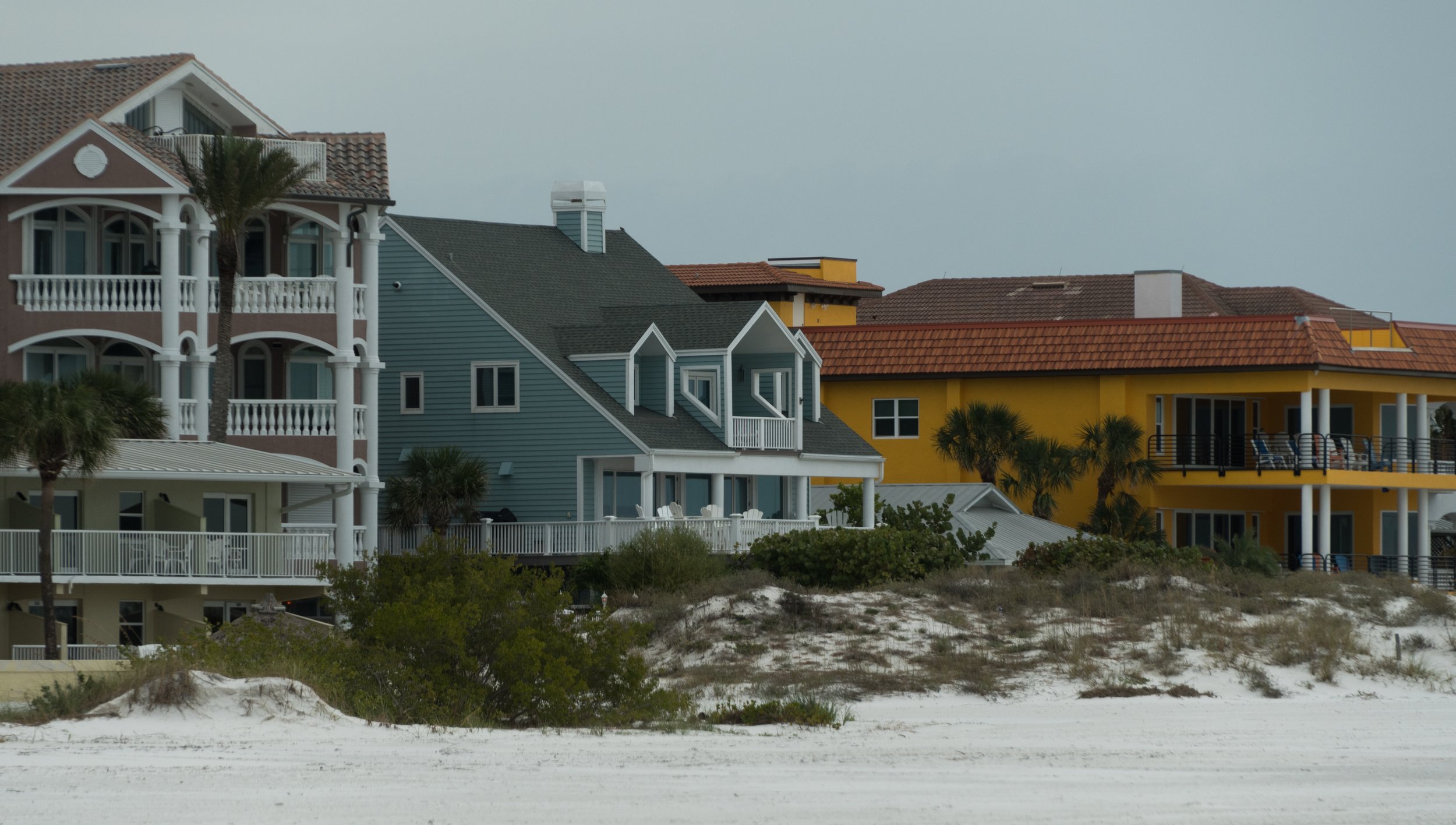
Indian Shores sits between Indian Rocks Beach to the north and Redington Shores to the south. The median age in the community approaches 65 — the highest along this corridor — and the homeownership rate of roughly 77% reflects a community of long-term residents rather than seasonal renters. Per capita income is among the highest in the area. This is not a community that happened accidentally. People find it, decide it’s what they want, and stay.
A Community Shaped by Conservation
Indian Shores has never had a particularly dramatic founding story — it developed gradually along with the rest of the Pinellas barrier island chain through the mid-twentieth century. What gave the town its distinct character was something that happened in 1971, when a 25-year-old zoologist named Ralph Heath found an injured cormorant dragging a broken wing along Gulf Boulevard. He treated the bird. More birds followed. Within a year, Heath had formally incorporated the Suncoast Seabird Sanctuary as a nonprofit — receiving no government funding, relying entirely on community donations.
For decades, the Suncoast Seabird Sanctuary operated at 18328 Gulf Boulevard as the largest not-for-profit wild bird sanctuary in the United States. In 1990, its hospital was recognized as the largest wild bird hospital in North America. Ralph Heath became one of the best-known figures in Pinellas County, his work featured in National Geographic and the New York Times. The sanctuary treated birds from across the Tampa Bay area and beyond.
The original Suncoast Seabird Sanctuary operated until 2016. The same location is now home to the Seaside Seabird Sanctuary, a successor nonprofit that continues the mission of rescuing and rehabilitating wild seabirds from across the region. The physical address and the purpose remain the same. What the sanctuary represents to Indian Shores — a community that chose something other than a boardwalk as its landmark — remains unchanged.
What Life Here Looks Like
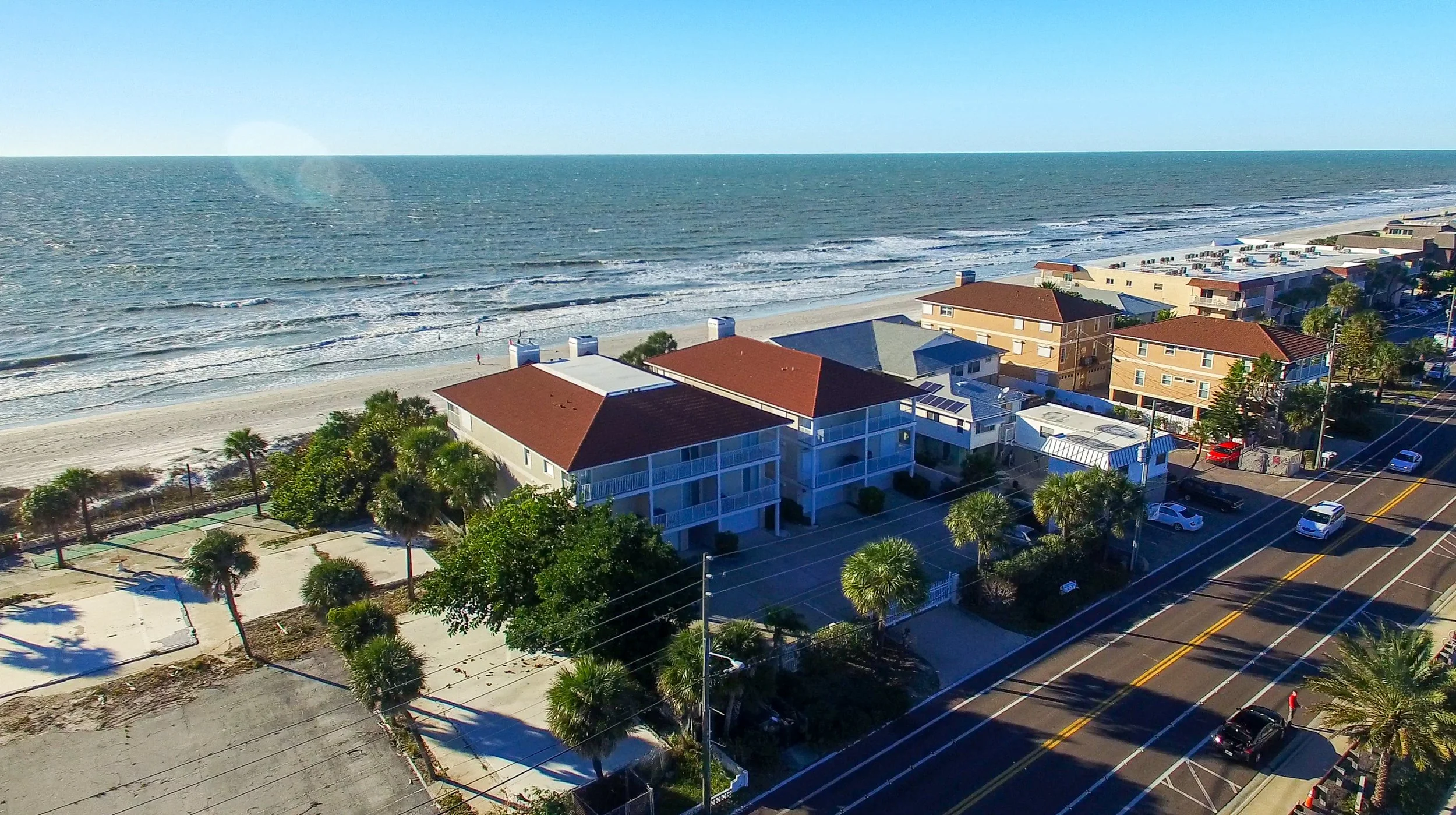
Indian Shores is not a community designed for visitors. There is no commercial main street, no cluster of restaurants and shops, no pier with a souvenir kiosk. Gulf Boulevard runs through town as it does everywhere on the island, but the activity along it is primarily residential. Neighbors walk dogs in the evening. Residents carry kayaks to beach access points. The general pace is calibrated for people who have retired from urgency.
The Gulf beach is accessible at multiple public access points along the western shore. The Intracoastal Waterway forms the eastern boundary, offering bay fishing and water access for boaters. The Seaside Seabird Sanctuary draws a modest number of nature-oriented visitors, consistent with the community’s character. For dining, shopping, and commercial services, residents are minutes away from Indian Rocks Beach to the north or Madeira Beach’s broader commercial corridor to the south.
The resident profile is consistent with the community’s character: established, educated, and deliberately settled. Graduate and professional degrees are well represented. The overwhelming majority of residents own rather than rent. The community is not growing — population has been essentially flat since 2020 — which is partly a function of geography (there’s no room to add housing) and partly a function of exactly the kind of community this is.
Geography & Location
Indian Shores occupies a single mile of barrier island between Indian Rocks Beach and Redington Shores. Gulf Boulevard (SR 699) is the only north-south road. The community is bookended by two small bridges over the Intracoastal. Clearwater is approximately 15 minutes north; Madeira Beach and John’s Pass are approximately 10 minutes south. The geographic smallness is part of the point: Indian Shores is not on the way to anywhere else. You go there because you mean to.
Flood Zone & Insurance: What to Know Before You Buy
As a barrier island community, virtually all of Indian Shores falls within FEMA Special Flood Hazard Area (SFHA) designations. The island’s elevation is low — typically near sea level — and waterfront properties on both the Gulf and Intracoastal sides carry the highest risk classification. Flood insurance is mandatory for federally backed mortgages in SFHA zones, and NFIP premiums have risen significantly following Hurricanes Helene and Milton. Buyers should obtain current elevation certificates and private market insurance quotes as a standard part of due diligence for any property here.
The current Indian Shores Market Report addresses active post-hurricane conditions, recent substantial-damage determinations, and their effect on the local transaction landscape. If you’re evaluating a specific property, always obtain a current elevation certificate and at least two insurance quotes before making an offer. This is not optional advice.
📊 Ready to go deeper? The Indian Shores Market Report covers current inventory, median pricing, buyer/seller market conditions, and hurricane-recovery context with data sourced directly from RPR and Pinellas County public records. Updated quarterly. → Read the Indian Shores Market Report